What is Food Security, and What are the 5 A’s?
By Christopher Warren - 08/10/2026
We've noticed something. The term 'food security' keeps showing up in new contexts, often meaning something a little different each time.
You’ve probably seen this too; oftentimes food security is a blanket word for hunger.
Food security isn’t only about having food on the table. It’s about making sure that families and communities can reliably access enough nutritious food, and in ways that work for them.
We’ve found that the “Five A’s of Food Security” provides a good working definition of food security, serving as a working template regardless of culture or country.
The 5 A's of Food Security, Explained
1. Availability
First things first: Is there food in the area? Availability refers to the presence of food, whether through home gardens, local farms, markets, imports, or aid.
It’s about the supply side: how food gets produced, distributed, and made visible in the community.
2. Accessibility
Just because food is available doesn't mean everyone can get to it. Accessibility comes down to two things: can people physically reach the food, and can they afford it once they're there?
Transportation and mobility may open the door, but price can close it just as fast. A full market in the next town over doesn't help if there’s no transportation, or if what's on the shelf costs more than the family’s finances allow.
3. Acceptability
Food isn't only fuel; it's deeply personal. Acceptability is about whether food fits a family's culture, faith, and preferences, and whether it's safe enough to trust. Eating shouldn't require leaving your culture or tradition at the door.
4. Adequacy
Is the food nourishing? Adequacy is about more than calories; it’s about nutrients. A diet needs to provide the right balance of vitamins, proteins, and minerals to support health, growth, and development over time.
5. Agency
Agency is about people having a voice in their own food systems. Do they have the power to grow, choose, and influence what they eat and how it’s produced? Agency brings dignity and self-determination into the food security conversation.
History of the 5 A’s Food Security Framework
The 5 A's framework was inspired by the persistent global hunger crises of the late 20th and early 21st centuries. The crises showed that merely producing enough food globally was failing to stop local starvation and systemic inequity.
The 5 A’s were first introduced in 2007, grounded in research by Cecilia Rocha and later formalized by the Centre for Studies in Food Security as 'The 5 A's of Food Security.'"
Why the 5 A’s Framework Replaced Earlier Models
- Shifts from Supply to Access: Earlier frameworks focused heavily on production volumes and amount of supply.
- Exposes Hidden Barriers: High food yields are meaningless if people are too poor to buy it.
- Integrates Nutritious Quality: Older metrics counted calories, missing the 'hidden hunger' of vitamin and mineral deficiencies that calorie counts alone can't catch.
- Respects Cultural Dignity: This model honors religious and cultural food preferences and insists that how food is obtained never comes at the cost of someone's dignity.
- Empowers Local Communities: It treats people as active political decision-makers rather than passive aid recipients.
Food Security and Seeds for a Future
Since 2009, the Seeds Program has been operating with a framework similar to the 5 A’s.
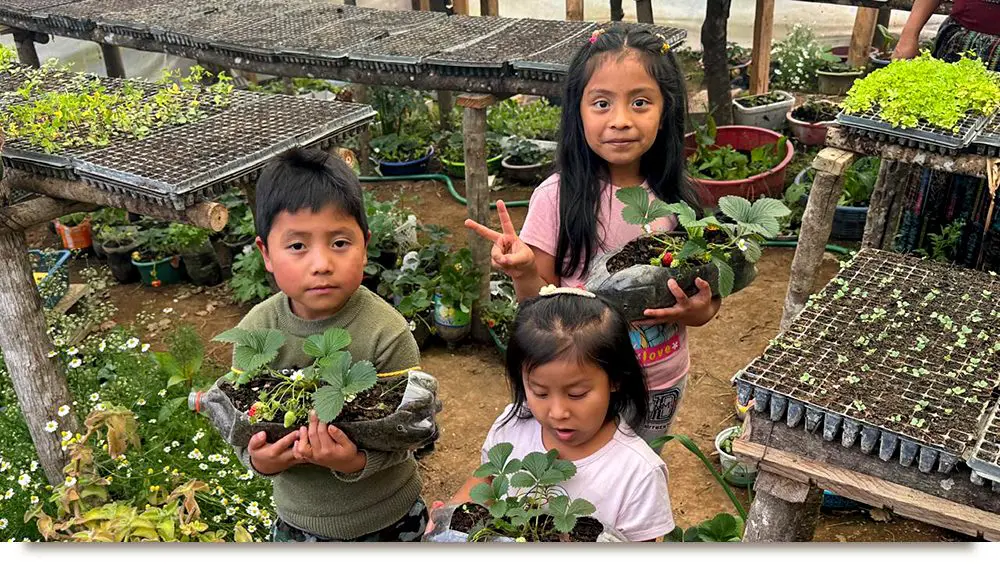
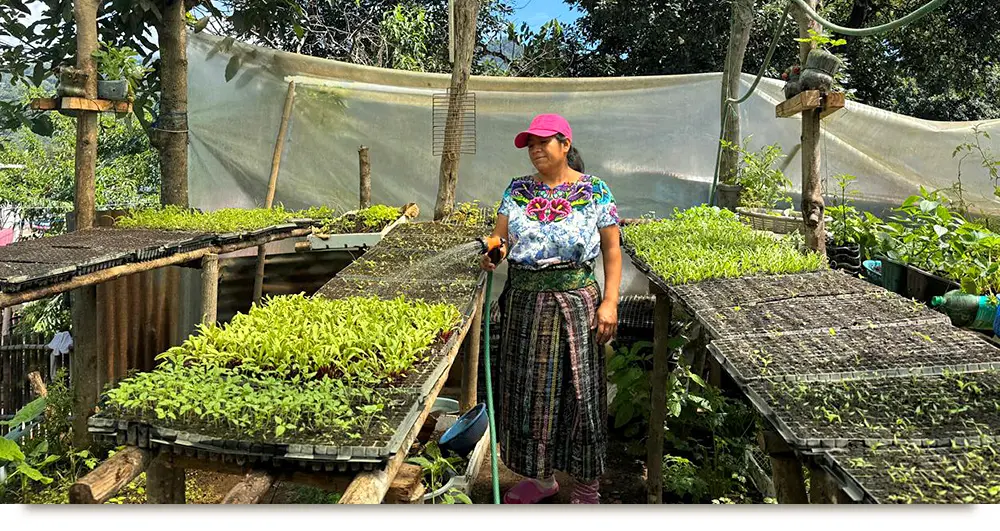
At its core, Seeds for a Future is about honoring traditional cultures while supplying the training and resources that families and communities are requesting for long-term food security, self-reliance, and self-determination.
The Seeds team in Guatemala has compiled a PDF of how they introduce and incorporate the Seeds Program in traditional rural Guatemalan communities.
We think you’ll find it to be an interesting read. The PDF is titled “A Community Development Model for Sustainable Food Security” and you can open and download it here.
As a non-profit, we rely on your support.
Link below to help us assist those requesting our critical training and starter resources.