
Where Trust Is Built: Lasting Food Security Solutions in Central America
By Dr. Jim Barlow, Agronomist, Soil Expert, and Seeds for a Future Board Advisor
Sometimes, it can take the new person a little while to fully understand the scope of an organization.
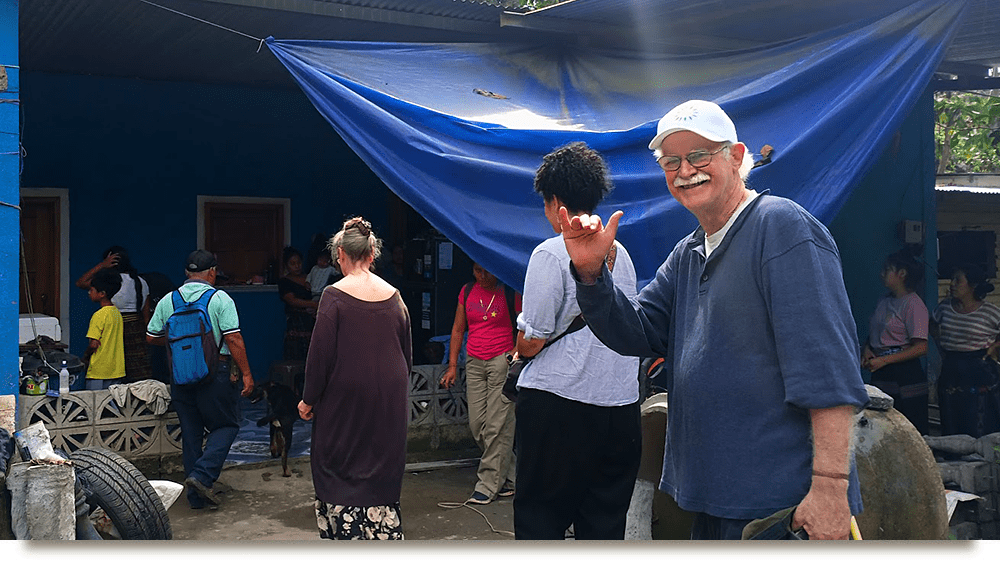
My name is Jim Barlow, and I recently joined the Seeds For a Future team in Guatemala, where we work to reduce chronic malnutrition and poverty in rural communities. Since coming aboard in late 2025, I’ve been getting to know our field extensionists and observing how they work with families across the country.
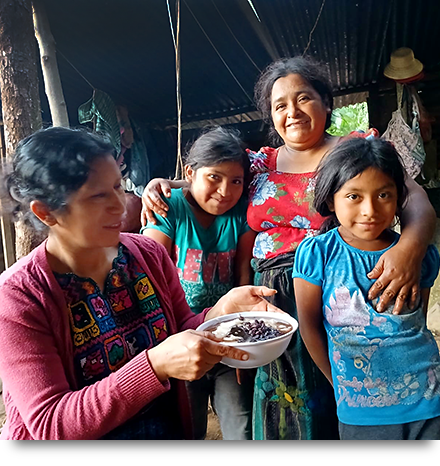
At first glance, the impact of Seeds for a Future is easy to see. Families welcome our team warmly. Home gardens are productive. Children are healthier and more energetic. There is pride in what families are growing and confidence in knowing where their next nutritious meal will come from.
After my initial visits, I thought I understood where that trust came from.
Then I spent time reviewing program documentation from our founding Program Director, Armando, and speaking more deeply with our Field Team. That’s when I realized there was more happening beneath the surface.
Food Security and Malnutrition in Central America
Chronic malnutrition remains widespread in many Indigenous communities across Central America. Diets are often dominated by refined cereals and sugary drinks, not because families lack care or effort, but because access, affordability, and long-standing systems have limited their options.
The consequences are well documented. Children experience stunted physical and cognitive development. Mothers carry the weight of exhaustion and concern. School outcomes suffer. These patterns repeat across generations, not from neglect, but from constraint.
The challenge is not motivation. It is access to the proper knowledge, tools, and consistent support.
Seeds for a Future’s Approach to Food Security
Seeds for a Future began its work in 2009 with a practical idea. Families could improve nutrition by growing diverse, organic food at home, food they plant, tend, and harvest themselves.
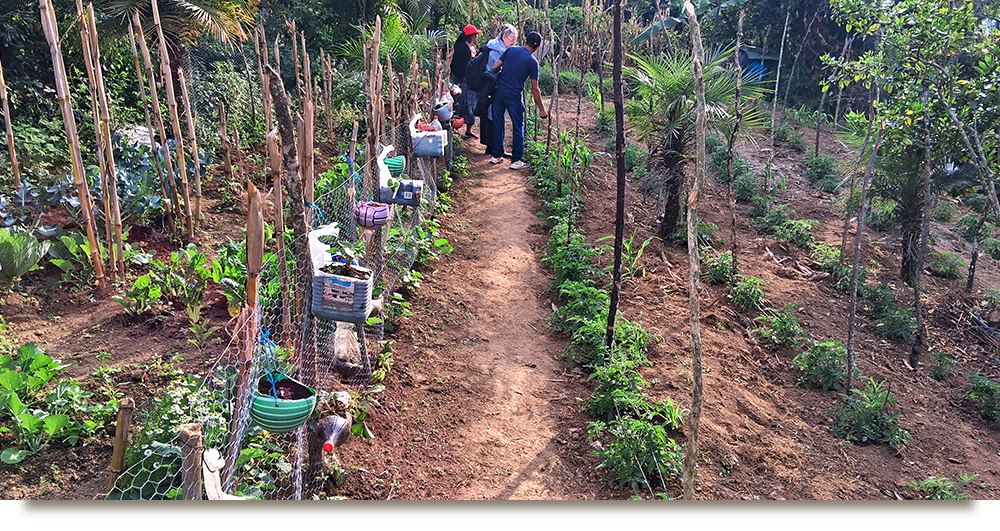
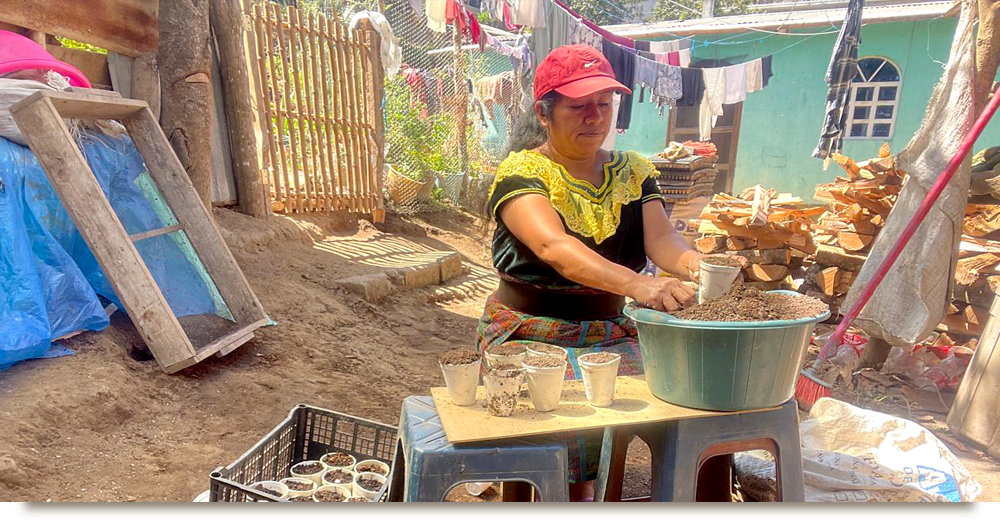
Home gardens restore access to vitamins, minerals, healthy fats, and protein. Where possible, families also raise chickens or other small animals. Seeds for a Future provides organic fertilizer, seeds, starter plants, and training adapted to local conditions.
Early on, the organization learned that gardens alone were not enough.
Lasting food security requires mentorship, confidence-building, and guidance through at least one complete growing cycle. That understanding shaped the program from the beginning and continues to guide it today.
How Trust Is Built Through Mentorship
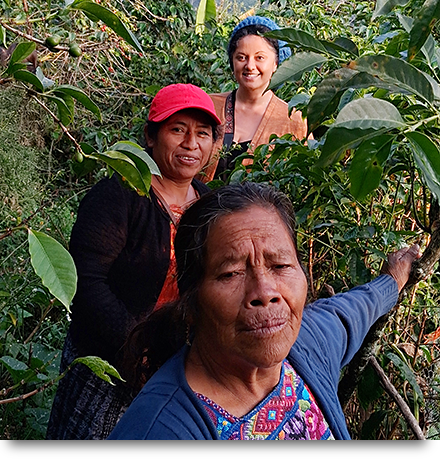
Seeds for a Future extensionists live in or near the communities they serve. They speak the language. They understand local culture. Most importantly, they show up consistently, week after week, season after season.
This consistency matters deeply in communities with a long history of broken promises from outside organizations. When our team first arrives, families are understandably cautious. They wonder whether the support will last.
Our extensionists recognize that hesitation. When doubts surface or discouragement sets in, they step into the role of mentor and encourager. They listen. They reassure. They walk alongside families rather than directing from a distance.
This is more than nutrition education; it is accompaniment.
From Trust to Community-Led Change
As families experience success and feel consistently supported, they begin sharing their experiences with neighbors, relatives, and friends. New families join not because they were persuaded, but because they witnessed change firsthand.
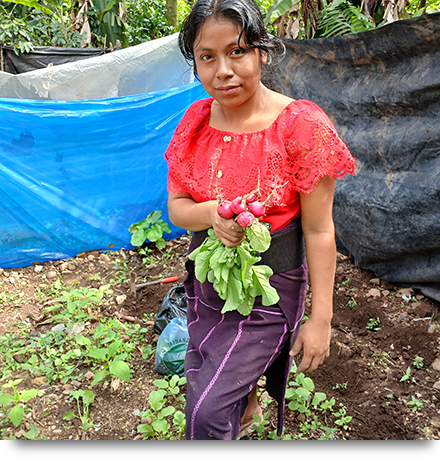
This is how Seeds for a Future grows, through lived experience and word of mouth.
Most program participants are women, often the primary caregivers and stewards of household gardens. With structured support, their efforts translate into healthier families, greater confidence, and increased self-reliance. What begins as a garden becomes a source of dignity and agency.
Over time, uncertainty gives way to something steadier. We know how to do this.
Growing Food Security Solutions That Last
Nearly six thousand families have participated in Seeds for a Future programs to date. Each represents not just improved nutrition, but a relationship built on consistency, respect, and shared effort.
There’s a saying in permaculture that many problems can be solved in a garden. What I’ve learned is that gardens alone don’t solve the problems.
People solve the problems when they are supported, trusting, and accompanied long enough for change to take root.