
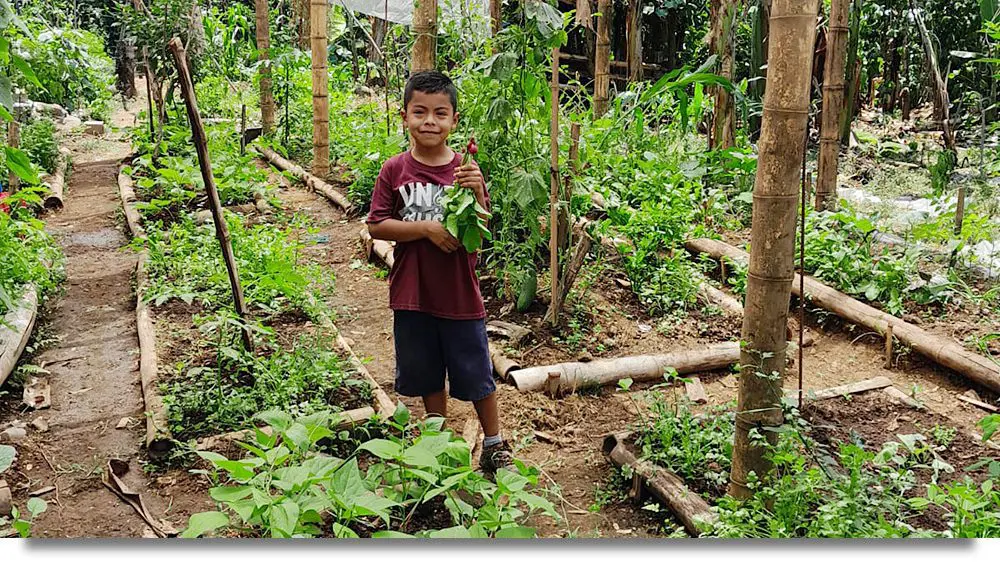
The House of Seeds – Casa de Semillas
Seeds for a Future's mission is to create long-term food security and health through sustainable permaculture practices.
We work in regions where subsistence farming has fed families for generations, creating an opportunity to address food security and nutritional health through permaculture gardens.
We knew our team and families needed a central meeting point to come together, learn, and experience program offerings. Thus, the idea of creating a Demonstration House, or a Casa de Semillas, was born.
Our flagship “Casa” in Chocolá is living proof that experimentation, research, innovation, and knowledge sharing are vital to the success of families within our Program, and for our Program’s sustainability and expansion.
As families succeed in raising plants and animals according to their personalized plan created when they joined the Program, they begin to see their space and resources differently and think about how they can increase or diversify the food they produce.
A tour of the permaculture gardens used by the Seeds for a Future Program.
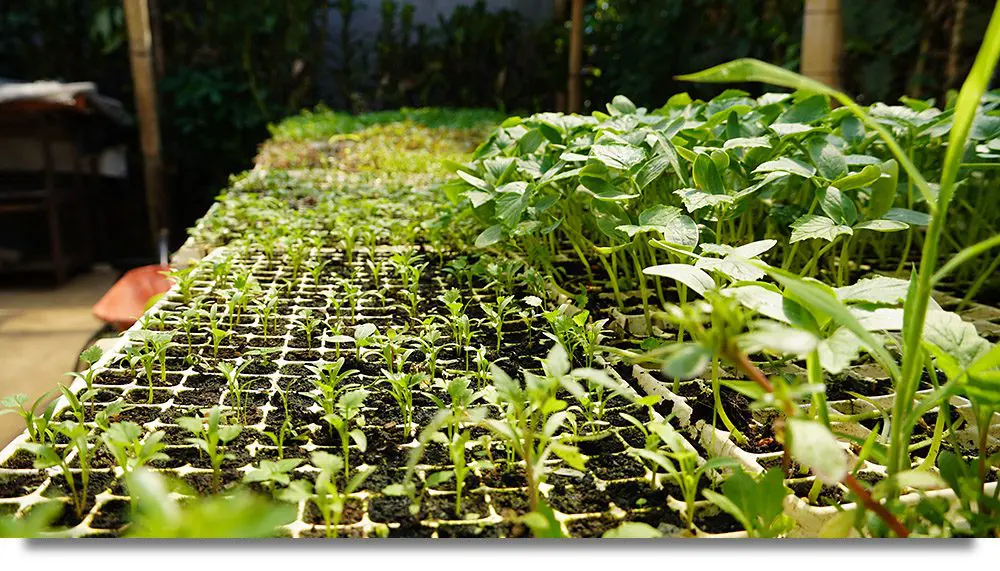
Seedlings
When planting a new garden, we ensure seed quality by nurturing seedlings under our own roof. Participants receive starter seedlings of distinct varieties, tailored to their family’s unique nutritional needs.
For example, we prioritize iron-rich leafy greens like hierbamora and chipilín for families with expecting mothers, supporting proper nutrition in young women and promoting healthy development of their babies and infants.
From the moment seedlings are planted, families understand each plant's health benefits and the care it needs to thrive. Over time, participants learn to harvest their own seeds for replanting, so they can build a thriving garden year after year.
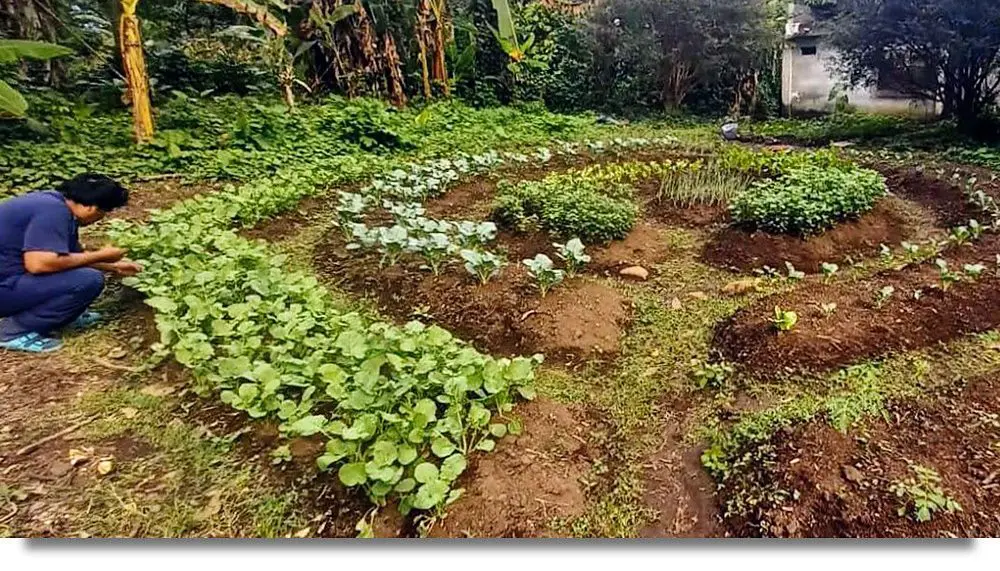
Mandala Gardens
The mandala garden design has become an integral part of our Field Team’s toolbox. Not only is it unique and visually captivating, but it also allows families to make use of limited ground space and prevents delicate crops from being inundated during heavy rains.
Mandala gardens can be created using plants, stones, or other materials to form intricate circular patterns. Families rotate a variety of complementary plants and herbs, promoting rich, healthy soil that produces nutritious food year-round.
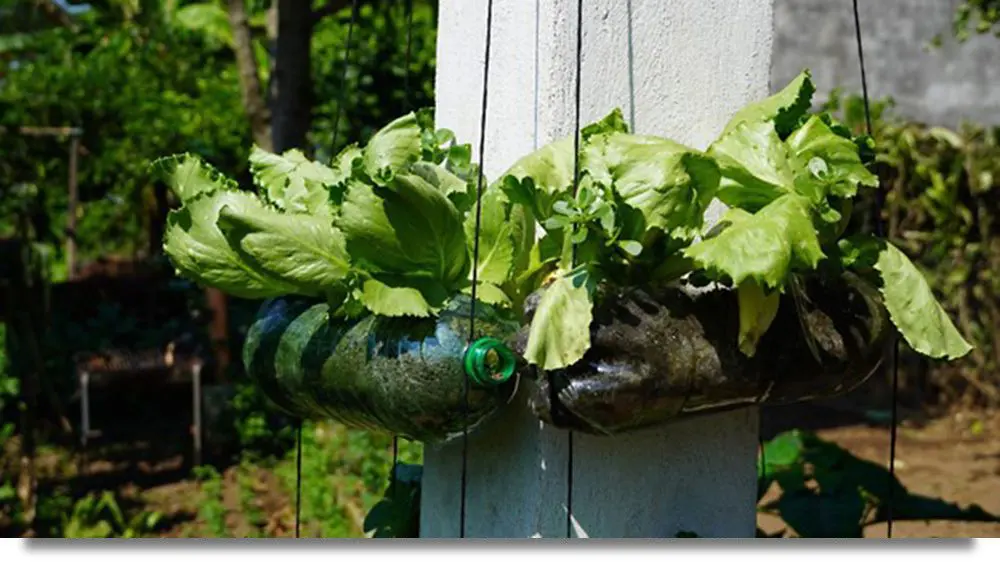
Vertical Gardens
Many rural Guatemalan families live on small plots with limited outdoor space. Vertical gardens allow our families to maximize available garden space while improving air quality by absorbing pollutants and releasing oxygen.
Vertical gardens can provide insulation, reduce ambient noise, and enhance a space's aesthetics, adding a touch of nature and beauty to both indoor and outdoor settings. Living walls are also equipped with easy drainage, which minimizes the risk of plants being washed away during heavy rains.
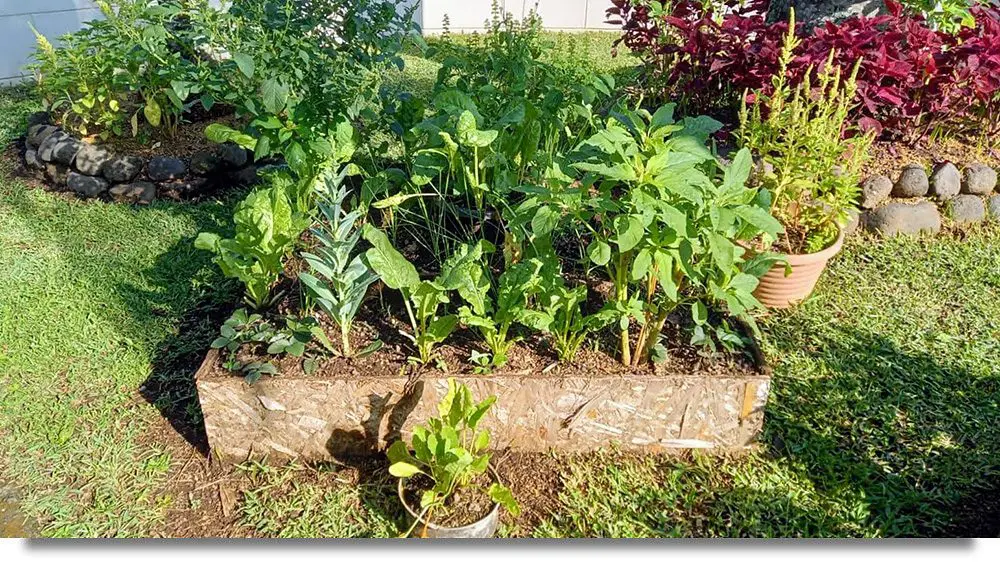
Raised Beds
Raised beds are elevated garden beds built above ground level, often as enclosed boxes or containers. They offer better control over soil quality and drainage, creating optimal growing conditions while minimizing weed growth and reducing the risk of soil compaction.
All of these factors make maintenance and cultivation that much easier! Our families often prefer raised beds to help protect against flash flooding during the rainy season.

Animals
Chickens and other fowl, plus goats and rabbits, are an integral part of the Casa Granja or ‘backyard farm’ model. Small livestock contribute to composting, a typical permaculture practice for creating closed-loop systems.
First, our families receive a pair of ‘starter’ animals, one male and one female. Our Field Team then helps build small enclosures from locally available materials—chicken coops, rabbit hutches, even tilapia pools!
Families receive education on effective feeding and breeding techniques to ensure production and renewability at the “family food” level. Some will even grow their operation into a micro-business, selling eggs or other animal products to family and neighbors.
By Leilani Yats